
What is IBS?
Do you suffer with gut symptoms including bloating, abdominal pain and gas? If that sounds like you, read on to learn if your symptoms may be Irritable Bowel Syndrome, commonly known as IBS.
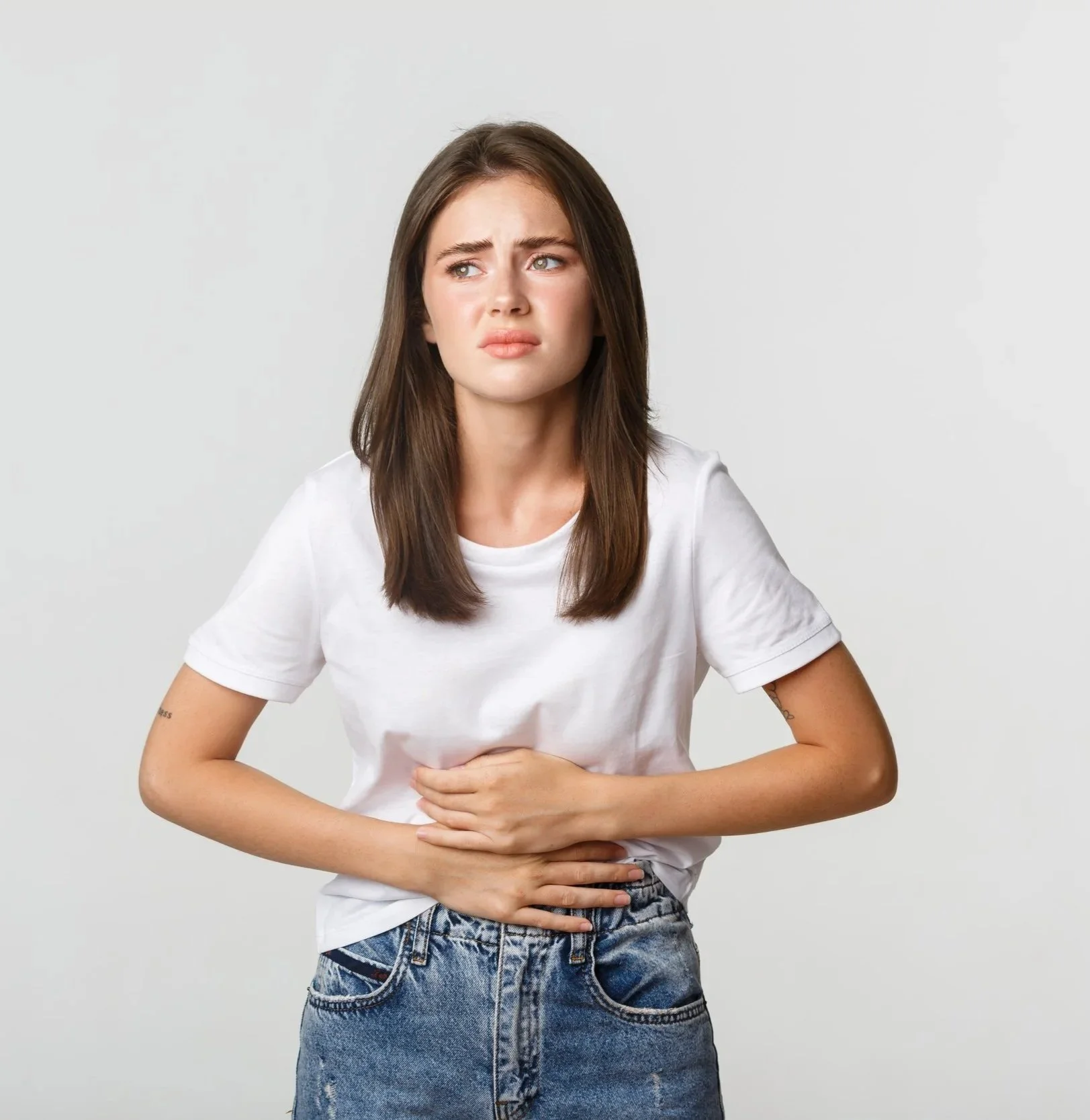
Around 1 in 5 people experience symptoms of IBS at some stage of their life, with women 1.5 times more likely to experience IBS symptoms.
For some people these symptoms are simply annoying but for 25% of people with IBS their gut symptoms can be debilitating or get in the way of their daily life.
IBS symptoms can include
abdominal pain or cramping that is often relieved by passing wind or faeces
alternating diarrhoea and constipation
a sensation that the bowels are not fully emptied after passing a motion
abdominal bloating
mucus present in the stools
nausea
I often see other symptoms going hand-in-hand with IBS symptoms including
Reflux
Fatigue
Anxiety
Mood changes (eg anxiety or low mood)
For some people their IBS symptoms interrupt their work day, with frequent bathroom visits, or pain which distracts them from working efficiently.
For others, IBS gets in the way of their social life as they avoid going out to dinner with friends.
For some people their IBS symptoms gets in the way of building relationships, as they find it hard to be confident and create intimacy when they don’t know what their gut is going to do from one minute to the next (rumbling, smelly gas or sharp pains?)
If you ignore your IBS symptoms you may be one of the lucky ones that your symptoms disappear as quickly as they came! However for most people ignoring your symptoms may lead to your symptoms getting worse over time. You may find that more & more foods seem to trigger pain, and it is hard to see a pattern anymore. Some people find that foods that they considered ‘safe’ later seem to aggravate their symptoms, which can be quite distressing!
But a diagnosis of IBS is not a life-sentence. When you work with a gut-focused dietitian you can learn
What foods are triggering your gut symptoms so you know what to eat and feel more in control
What underlying factors are contributing to your gut symptoms, so you can address these and broaden your range of foods
How to improve your gut health and reduce IBS symptoms in the future
· And most importantly, you can get back to enjoying your life again
How is IBS diagnosed?
IBS can be complex to diagnose, as rather than being a single disease with a simple test to diagnose it, it is more a diagnosis of exclusion. To confirm that your gut symptoms are IBS your doctor needs to rule out other medical issues that may contribute to the same symptoms, including (but not limited to)
Coeliac Disease
Inflammatory Bowel Disease (eg Crohns Disease, Colitis)
Parasites or Pathogenic Bacteria
Bowel Cancer
Endocrine disorders eg Thyroid
Depending on your symptoms and your history, your GP or Gastroenterologist may recommend ‘scopes’ to investigate and rule out some of these conditions. In each case a camera is inserted into your digestive tract for a closer view to detect any changes in the mucosal tissue lining your gut:
Colonoscopy - A colonoscope is a tiny camera on a long flexible tube that is used to examine the entire length of your large bowel
Endoscopy, also known as a Gastroscopy - a tiny camera on a long flexible tube that is used to examine your oesophagus, stomach and upper part of your Small Intestine
These tests are not essential to diagnose IBS, your doctor may be able to diagnose IBS based on your symptoms alone.
Some people put off seeing a dietitian for support for their symptoms as they haven’t yet got an official diagnosis from the GP. Please don’t let that be you! I can get you started with some strategies to help improve your symptoms and will guide you to your GP if you need further testing.
How can I treat IBS?
Then, once you have an IBS diagnosis, what’s the next step?
The next steps are to reduce your symptoms and find out what is triggering your gut symptoms.
When I first began supporting people with IBS 20 years ago it was common for doctors to tell people that changing what you eat was a waste of time, as food didn’t affect IBS! Fortunately the science and awareness has changed so much since then, and now we know (with research to show for it) that diet indeed DOES help reduce IBS. The most common diet that can help people reduce IBS is a Low FODMAP diet, which helps 3 out of 4 people to reduce their IBS symptoms.
But it is important to remember that there is often more than 1 contributing factor to IBS, so a Low FODMAP diet alone may not be enough to manage your symptoms. There are many possible factors that could be contributing to your IBS including
Food intolerances including
FODMAPs
Gluten
Dairy
Histamines
Food Chemicals (Salicylates, Amines, Glutamates or Food additives)
Disaccharides (lactose, sucrose, maltose etc)
Food irritants including
Coffee
Alcohol
Fatty foods
Spicy foods
Not enough fluid or fibre
Gut hypersensitivity
Stress and emotions
Hormones
Digestion
Enzymes
Eating patterns & behaviours
Post-infectious gut upset (eg after food poisoning or traveler’s diarrhoea)
Medications or supplements
Microbiome imbalance, sometimes known as dysbiosis
SIBO (Small Intestinal Bacterial Overgrowth)
Nerve or Connective Tissue disorders
……….And more!
How can a dietitian support IBS? I see that my job as a gut-focused dietitian is to help you navigate the many possible factors that may be contributing to your gut symptoms, to help you find a pathway out of your symptoms, so you can get back to enjoying life again (without fear of your gut symptoms getting in the way).
Does any of this sound familiar for you?
If you’re keen to learn more, take a look at my blog article where I focus on how I help you to improve your IBS symptoms in more detail, or book a free 15 minute Discovery Session to learn more about how I can help you.
In the meantime, you can start to observe what foods and other factors may be related to your symptoms with the help of a Food & Symptoms Diary.
