
How does food affect your skin?

Food intolerances can impact skin conditions including
Eczema
Dermatitis
Urticaria (hives)
Seborrheic dermatitis (scalp)
Psoriasis
Acne
Atopic eczema impacts around 10% of Australian adults, and is even more common in children (30%)(1). The impact of eczema (and other skin conditions) is often under-recognised – the impact of skin conditions on quality of life can be significant for some people.
The usual treatments include steroid creams and moisturisers, which are very effective for some people. For others though, these treatments are not effective, or lose effectiveness over time, which leave sufferers wondering what else is going on? What else can I do to manage my eczema?
Do food allergies cause Eczema?
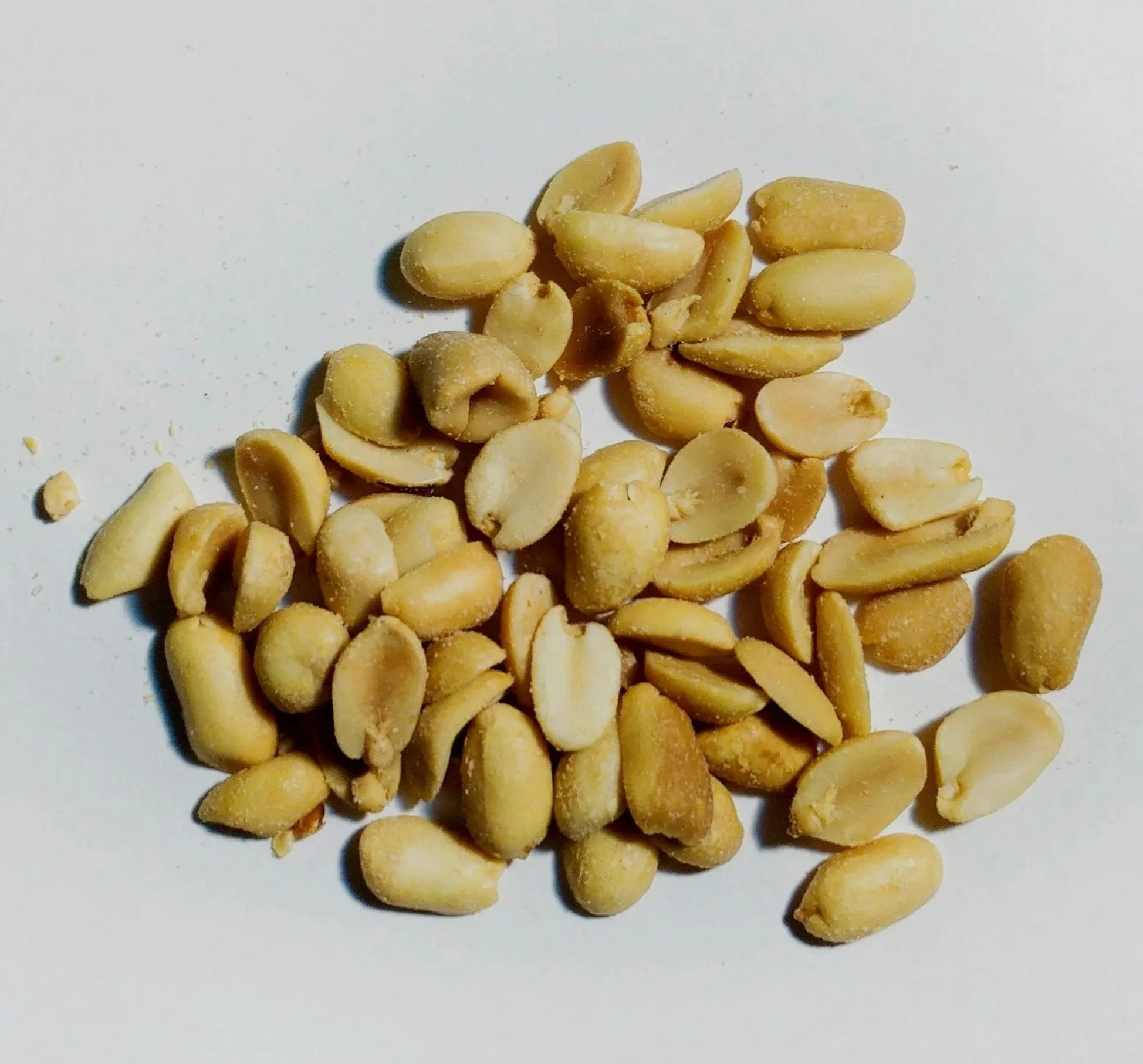
Food allergies eg peanuts, egg, dairy are common triggers in children with eczema. The protein in these foods triggers the immune system to create IgE antibodies so that anytime these foods are eaten (or sometimes even touched!) an allergic reaction will be triggered, which is usually a rapid reaction soon after eating the food.
However IgE-mediated food allergy is much less common in adults as a trigger for eczema. If you do suspect a ‘true’ food allergy I recommend discussing with your GP as the first step so they can organise testing if appropriate. If you do suspect that this may be an issue it is important to get it investigated as repeated exposure to an allergenic food can trigger a stronger allergic response, such as breathing difficulties or anaphylaxis.
Food can absolutely be a trigger for eczema in adults, but it is more commonly via a different mechanism that doesn’t involve the immune system. We describe these as ‘food intolerances’.
Are food intolerances triggering your Eczema?
Back in the 1970’s a team of allergy specialists at RPAH hospital in Sydney worked with dermatologists and dietitians to identify foods that were triggering Urticaria (hives) in their patients. They developed the RPAH Low Chemical Elimination Diet that is still used today to help people identify what foods may be triggering or aggravating their symptoms. They identified that particular foods triggered symptoms for other skin conditions as well eg Eczema, Dermatitis, itchy or dry skin as well as many other symptoms including migraines, ADHD, IBS and much more.
The RPAH Elimination Diet investigates whether the following groups of food may trigger symptoms
Salicylates
Amines
Glutamates
Preservatives
Artificial colours
Flavour enhancers
Gluten
Dairy
→ Keep your eye out for another blog article coming soon where I share more detail about Low Chemical Elimination Diets and how these can help reduce symptoms.
For some people food triggers are more obvious, for example you may notice your skin flare (eg get more red, hot or itchy) after eating certain foods, or perhaps when you eat out.
How this isn’t always the case! Sometimes food triggers can be hard to identify, especially as the food triggers are foods that most people eat everyday. I find that for my clients, certain foods contribute to the background inflammation, and can be one of the reasons that eczema doesn’t ever clear up for some people, rather than a flare after eating these foods
Nourish your skin
But it is not just about foods that trigger a flare, it is also important that your skin has everything it needs to be healthy.
Eating a healthy diet is important, of course, but even with this some people may be low in particular nutrients, perhaps because they are not consuming enough, or maybe they don’t absorb enough, or are not effectively utilising the nutrients.
I like to make sure that my clients with eczema are providing their skin with nourishing nutrients to support your skin’s healing.
How does your gut affect your skin?
Many years ago one of my dietitian mentors would remind us that ‘skin reflects what is going on in your gut’. At the time she was referring to food intolerances inflaming the gut and aggravating eczema, however I think we are only more recently able to understand that this same tenet is true in a broader sense, and in a way that we can actually tailor practical strategies to address this.
Your gut microbiome (the balance of bacteria in your gut) can influence inflammation anywhere in your body, including your skin. If your gut bacteria is swayed toward more ‘inflammation-producing’ bacteria and less ‘anti-inflammatory’ bacteria this can trigger inflammatory symptoms not only in your gut but elsewhere in your body.
Supporting your beneficial gut bacteria may be a key factor in managing healthy skin.
How can a dietitian help your eczema?
I see that my job as a food intolerance dietitian is to help you navigate the many possible factors that may be contributing to your skin symptoms, to help you find a pathway out of your symptoms, so you can get back to enjoying life again (without fear of your symptoms getting in the way).
Does any of this sound familiar for you?
Stay tuned for my upcoming blog article where I focus on how I help you to improve your skin symptoms in more detail.
In the meantime, you can start to observe what foods and other factors may be related to your symptoms with the help of a Food & Symptoms Diary.
